
"chemical change"
2000 article(s) found

Coffee training knowledge about the chemical composition of coffee
Caffeine: caffeine is the most eye-catching of all the ingredients in coffee. It belongs to a kind of phytoxanthin (animal muscle component). It has the same properties as theobromine contained in cocoa, green tea contains the same theophylline, and the percentage of reduction after baking is very small. Caffeine has a very wide range of effects. will affect the human brain, heart, blood vessels, gastrointestinal, muscle and kidney and other parts, the right amount of coffee

General knowledge of Fine Coffee reaction in the process of roasting coffee
Once the coffee seed is planted, no one can change its final quality. However, the color, aroma, bioactive components and health characteristics of coffee are related to the roasting process. During the roasting process, coffee is heated at 190-220 degrees for 7-20 minutes, which helps to bake out its aroma and good taste, and helps to form lactone, nicotinic acid and resistance.

Chemical composition of coffee caffeine tannin
Caffeine: caffeine is the most eye-catching of all the ingredients in coffee. It belongs to a kind of phytoxanthin (animal muscle component). It has the same properties as theobromine contained in cocoa, green tea contains the same theophylline, and the percentage of reduction after baking is very small. Caffeine has a very wide range of effects. will affect the human brain, heart, blood vessels, gastrointestinal, muscle and kidney and other parts, the right amount of coffee

Why do you raise roasted coffee? How long does it take to keep coffee beans?
Professional coffee knowledge exchange more coffee bean information Please follow the coffee workshop (Wechat official account cafe_style) on how long the coffee should be kept after roasting before drinking, there are different opinions in the industry, even within our company, there is some controversy. In order to find out the best solution, we have conducted an in-depth study of this problem. Let's start with the conclusion and solve it step by step.

Why do coffee beans smell so good? What chemicals are contained in it?
Professional baristas follow the Coffee Workshop (Wechat official account cafe_style) Coffee raw beans are chemical-filled warehouse nutritionists Jonny Bowden lists coffee as one of the 150 healthiest ingredients on the planet and the No. 1 source of antioxidants in the American diet. Of all the ingredients and drinks, coffee is the most artistic and skillful.
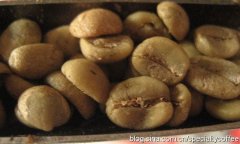
Coffee common sense Coffee roasting process after picking
Generally speaking, coffee roasting is a time-temperature dependent process in which physical changes and chemical reactions occur in raw coffee. Roasting is the last and most important step in the processing of coffee beans after they have been picked. Green coffee beans cannot be used directly to make drinking coffee. All coffee beans must be roasted before grinding and brewing. not

Why choose wood as fuel to bake coffee? The roasting process of heated coffee beans coffee
All coffee roasting machines work on the same principle: heat raw coffee beans, produce physical and chemical changes and turn them into roasted beans. Physical change means that the color of raw coffee beans changes from green to brown, and the shape changes accordingly. Chemical changes are much more complex, which is the process of production, balance and transformation of substances with fragrance, acidity and other odor components.

Analysis of coffee roasting degree the difference between light roasting, moderate roasting and deep roasting
Once the coffee seed is planted, no one can change its final quality. However, the color, aroma, bioactive components and health characteristics of coffee are related to the roasting process. During the roasting process, coffee is heated at 190-220 degrees for 7-20 minutes, which helps to bake out its aroma and good taste, and helps to form lactone, nicotinic acid and resistance.

Awaken the Spirit of Flavor-- the Chemical change and dramatic Evolution of "Baking"
What happens when coffee beans are roasted? In fact, no one can answer this question very accurately. One of the mysterious characteristics of coffee beans is that their aromatic compounds are very complex. at present, it is known that there are about 700850 substances related to flavor in roasted coffee beans, and the actual number of substances will be related to each experiment.

Basic knowledge of coffee the chemical composition of coffee
Caffeine: caffeine is the most eye-catching of all the ingredients in coffee. It belongs to a kind of phytoxanthin (animal muscle component). It has the same properties as theobromine contained in cocoa, green tea contains the same theophylline, and the percentage of reduction after baking is very small. Caffeine has a very wide range of effects. will affect the human brain, heart, blood vessels, gastrointestinal, muscle and kidney and other parts, the right amount of coffee
The sour and mellow taste of coffee is bitter
The color, aroma and taste of coffee are caused by some complex chemical changes that take place during the baking process. So raw coffee beans must go through a proper chemical process to achieve the most balanced state of its essential ingredients in order to be regarded as the best baked beans. The aroma of coffee will change with the heat, so the baking time should be shortened as much as possible, and the heat should be controlled within the range of heat.

Basic training of baristas Chemical composition of Coffee
Caffeine: caffeine is the most eye-catching of all the ingredients in coffee. It belongs to a kind of phytoxanthin (animal muscle component). It has the same properties as theobromine contained in cocoa, green tea contains the same theophylline, and the percentage of reduction after baking is very small. Caffeine has a very wide range of effects. will affect the human brain, heart, blood vessels, gastrointestinal, muscle and kidney and other parts, the right amount of coffee
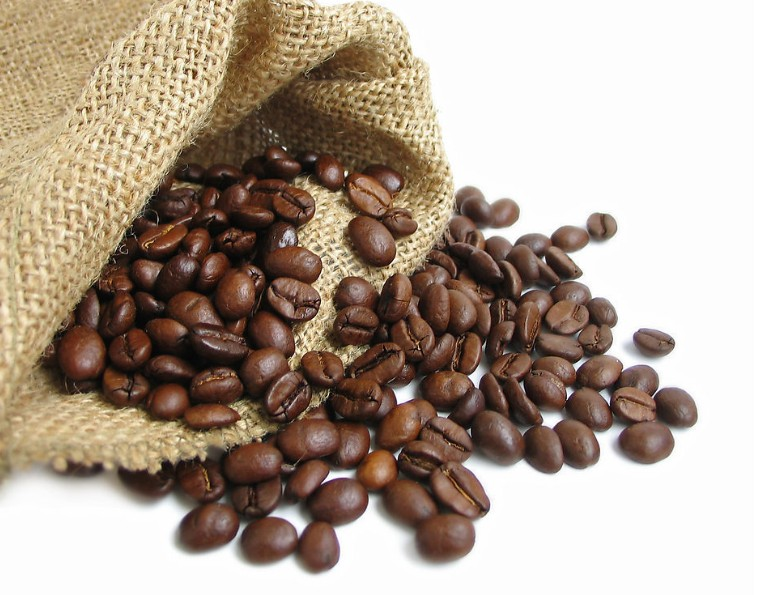
Chemical changes of coffee beans during roasting and color evolution of coffee beans
What happens when coffee beans are roasted? In fact, no one can answer this question very accurately. One of the mysterious characteristics of coffee beans is that their aromatic compounds are very complex. at present, it is known that there are about 700850 substances related to flavor in roasted coffee beans, and the actual number of substances will be related to each experiment.

What is the chemical composition of a cup of coffee?
Caffeine is the most eye-catching of all the ingredients of coffee. It belongs to a kind of phytoxanthin (animal muscle component). It has the same properties as theobromine contained in cocoa, green tea contains the same theophylline, and the percentage of reduction after baking is very small. Caffeine has a very wide range of effects. will affect the human brain, heart, blood vessels, gastrointestinal, muscle and kidney and other parts, the right amount of coffee

The four factors of a good cup of coffee the bitterness of coffee
The color, aroma and taste of coffee are caused by some complex chemical changes that take place during the baking process. Therefore, raw beans must go through appropriate chemical procedures to achieve the most balanced state of its essential ingredients in order to be regarded as the best baked beans. The aroma of coffee varies with the heat, so the baking time should be shortened as much as possible, and the heat can be controlled at the level of coffee beans.

The chemical composition of coffee what are the ingredients in coffee beans?
Caffeine: caffeine is the most eye-catching of all the ingredients in coffee. It belongs to a kind of phytoxanthin (animal muscle component). It has the same properties as theobromine contained in cocoa, green tea contains the same theophylline, and the percentage of reduction after baking is very small. Caffeine has a very wide range of effects. will affect the human brain, heart, blood vessels, gastrointestinal, muscle and kidney and other parts, the right amount of coffee

In-depth Analysis of Coffee Taste from Chemical Angle
It has been said that adding salt to coffee can neutralize bitterness, which sounds ridiculous, but it has been proved to be effective by science. In 1997, scientists tried to put salt into a bitter chemical solution and compared the bitterness of the solution. It was found that although the concentration of bitter elements in chemical solvents did not change, the chemical solution with salt did not taste so bitter.
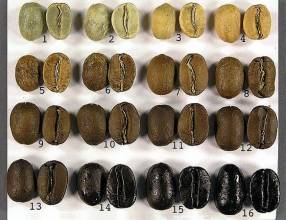
Analysis of the steps in coffee roasting the roasting degree of coffee and the roaster of coffee all affect the quality of beans.
Once the coffee seed is planted, no one can change its final quality. However, the color, aroma, bioactive components and health characteristics of coffee are related to the roasting process. During the roasting process, coffee is heated at 190-220 degrees for 7-20 minutes, which helps to bake out its aroma and good taste, and helps to form lactone, nicotinic acid and resistance.

One minute to understand the changing process of coffee beans during roasting.
Coffee roasting is a collection of a series of physical and chemical changes, which is the final stage of the formation of coffee bean flavor. In the process of change, there will be some phenomena as follows. 1. The moisture escapes and the weight is reduced. two。 The texture changes from hard to brittle, with a large number of pores. 3. The color deepens gradually. 4. The individual flavor and characteristics gradually weakened, and the sense of balance and alcohol thickness gradually increased. 5. Carbon dioxide
Basic chemical reactions that occur during coffee roasting
Many thermal and chemical reactions take place during baking: decarbonation, dehydration of quinic acid, fragmentation, isomerization, polymerization, and complex sugar reactions (caramelization). The main thermally reactive components are monosaccharides and sucrose, chlorogenic acid, displaced amino acids, and trigonelline amide. Both aravinone and calactose in polysaccharides are transferred, and basic sulfurization contains hydroxyamino acids.